SD31 DFL Newsletter for 27 July 2026
Loading Viewer...
Loading Viewer...

Government works best when people understand how it works and feel empowered to participate in it.
Join Doug Chapin for an open community conversation focused on civics, public policy, and the real-world impact government decisions have on our daily lives. This Town Hall is designed to be approachable, informative, and interactive. No political insider knowledge required. Just curiosity, questions, and a shared interest in building a stronger community together.
An informed citizenry is the foundation of meaningful change. If you’ve ever wondered how decisions get made, how to make your voice heard, or how to become more engaged locally and nationally, this conversation is for you.
We are ALL ready for better. Step one is showing up. We’ll see you at the townhall!
#FlipThe6th #ReadyForBetter
[Posted 3/5/2026] U.S. Rep. Angie Craig, who voted for a punitive immigration bill last year called the Laken Riley Act, reversed herself Monday, writing in a Star Tribune commentary that she regrets her “yes” vote.
Craig represents the 2nd Congressional District and is currently running in the Democratic primary for retiring Tina Smith’s U.S. Senate seat. Her strongest opponent, Lt. Gov. Peggy Flanagan, has repeatedly criticized Craig for her vote. The Laken Riley Act was named after a nursing student at Augusta University, murdered in 2024 by an undocumented immigrant, José Antonio Ibarra, a 26-year-old Venezuelan. Ibarra was convicted and sentenced to life without possibility of parole.
The Laken Riley Act was the first law signed by Donald Trump, and it became his rallying cry for a severe crackdown on immigrants both entering and living in the U.S. Primarily, the Laken Riley Act requires the mandatory federal detention of any non-U.S. national who is unlawfully present and has been arrested for, charged with, or convicted of specific offenses: any theft-related crimes, the assault of law enforcement, and crimes causing serious harm (whether or not intended). Furthermore, states are given broad powers to sue to the federal government over immigration decisions.
Current defense actions involve questioning Ibarra’s mental competency and understanding of English and American legal procedure when he waived his right to a jury trial.
District 3: Kacy Deschenes. On YouTube. On the LWVMN website.
District 4: Abbey Payeur. On YouTube. On the LWVMN website.
District 6: Jeff Simon. On YouTube. On the LWVMN website.
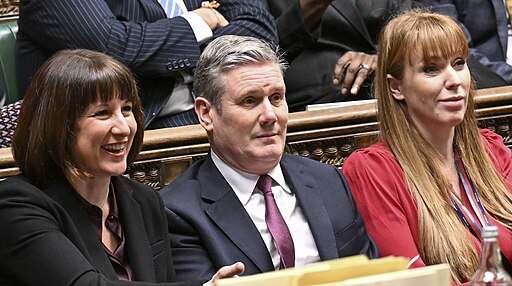
Have you come across recent suggestions online for the creation of a shadow cabinet in the United States?
The concept of a shadow cabinet originated in Europe. In May 2021, a British think tank, the Institute for Government, wrote, “The shadow cabinet [in the UK] is made up of senior members of the main opposition party in Westminster who act as spokespeople for the opposition in specific policy areas. Shadow ministers are appointed by the leader of the opposition and generally take roles that mirror the current government. Their job is to scrutinize those they ‘shadow’ in government, and develop policies for their party.”
It is also possible that the shadow cabinet leader might create a shadow post not currently existing in government but which the opposition feels represents important policy.
Immediately after Donald Trump’s second election last November, Democratic politicians, including Representative Wiley Nickel, North Carolina (D), spoke about the need for a Democratic shadow cabinet. Inspired by the UK version, Nickel pointed out that a Democratic shadow cabinet would communicate what political policies the party supported.
In May, Senator Elissa Slotkin of Michigan proposed that ranking members of congressional committees could also be such a shadow cabinet.
Reporting this story, Politico expressed the concern that ranking members “are not the fresh faces who can give the Democratic Party a sleek new look.” Instead, Politico recommended, “Tap accomplished people with the ability to speak plainly and the credibility to puncture the Trump Administration’s often Orwellian narratives. Don’t limit members to professional politicians. Pitch a big tent. Don’t draw rigid ideological lines.”
Wiley Nickel, writing in The Washington Post, recommended choosing from the Democratic members of Congress but not necessarily the well-known ones.
Timothy Snyder, an American professor of Soviet history now teaching at the University of Toronto, argued that a shadow cabinet could help counteract the influence of oligarchy and authoritarianism, reminding citizens that a better government is possible. Such a cabinet can not only critique the government in power but also change the political landscape by proposing new ideas and solutions.
Sources
“Shadow Cabinet” https://www.instituteforgovernment.org.uk/explainer/shadow-cabinet
“Representative Wiley Nickel” https://youtu.be/OoJi4d3rBBs
Politico https://www.politico.com/news/magazine/2025/05/27/democrats-shadow-cabinet-brand-00353690
The Washington Post https://www.washingtonpost.com/opinions/2024/11/11/shadow-cabinet-democrats-opposition-trump/
Timothy Snyder, Thinking about…, “Shadow Cabinet, A Positive Form of Opposition,” https://snyder.substack.com/p/shadow-cabinet