A Shadow Cabinet. What Is It?
Have you come across recent suggestions online for the creation of a shadow cabinet in the United States?
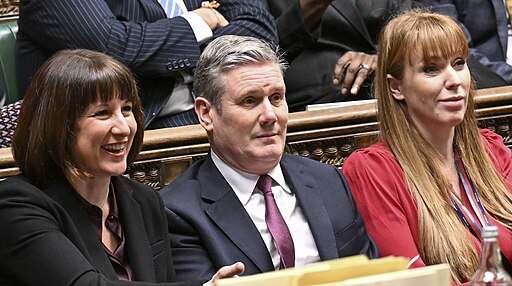
The concept of a shadow cabinet originated in Europe. In May 2021, a British think tank, the Institute for Government, wrote, “The shadow cabinet [in the UK] is made up of senior members of the main opposition party in Westminster who act as spokespeople for the opposition in specific policy areas. Shadow ministers are appointed by the leader of the opposition and generally take roles that mirror the current government. Their job is to scrutinize those they ‘shadow’ in government, and develop policies for their party.”
It is also possible that the shadow cabinet leader might create a shadow post not currently existing in government but which the opposition feels represents important policy.
Immediately after Donald Trump’s second election last November, Democratic politicians, including Representative Wiley Nickel, North Carolina (D), spoke about the need for a Democratic shadow cabinet. Inspired by the UK version, Nickel pointed out that a Democratic shadow cabinet would communicate what political policies the party supported.
In May, Senator Elissa Slotkin of Michigan proposed that ranking members of congressional committees could also be such a shadow cabinet.
Reporting this story, Politico expressed the concern that ranking members “are not the fresh faces who can give the Democratic Party a sleek new look.” Instead, Politico recommended, “Tap accomplished people with the ability to speak plainly and the credibility to puncture the Trump Administration’s often Orwellian narratives. Don’t limit members to professional politicians. Pitch a big tent. Don’t draw rigid ideological lines.”
Wiley Nickel, writing in The Washington Post, recommended choosing from the Democratic members of Congress but not necessarily the well-known ones.
Timothy Snyder, an American professor of Soviet history now teaching at the University of Toronto, argued that a shadow cabinet could help counteract the influence of oligarchy and authoritarianism, reminding citizens that a better government is possible. Such a cabinet can not only critique the government in power but also change the political landscape by proposing new ideas and solutions.
Sources
“Shadow Cabinet” https://www.instituteforgovernment.org.uk/explainer/shadow-cabinet
“Representative Wiley Nickel” https://youtu.be/OoJi4d3rBBs
Politico https://www.politico.com/news/magazine/2025/05/27/democrats-shadow-cabinet-brand-00353690
The Washington Post https://www.washingtonpost.com/opinions/2024/11/11/shadow-cabinet-democrats-opposition-trump/
Timothy Snyder, Thinking about…, “Shadow Cabinet, A Positive Form of Opposition,” https://snyder.substack.com/p/shadow-cabinet
